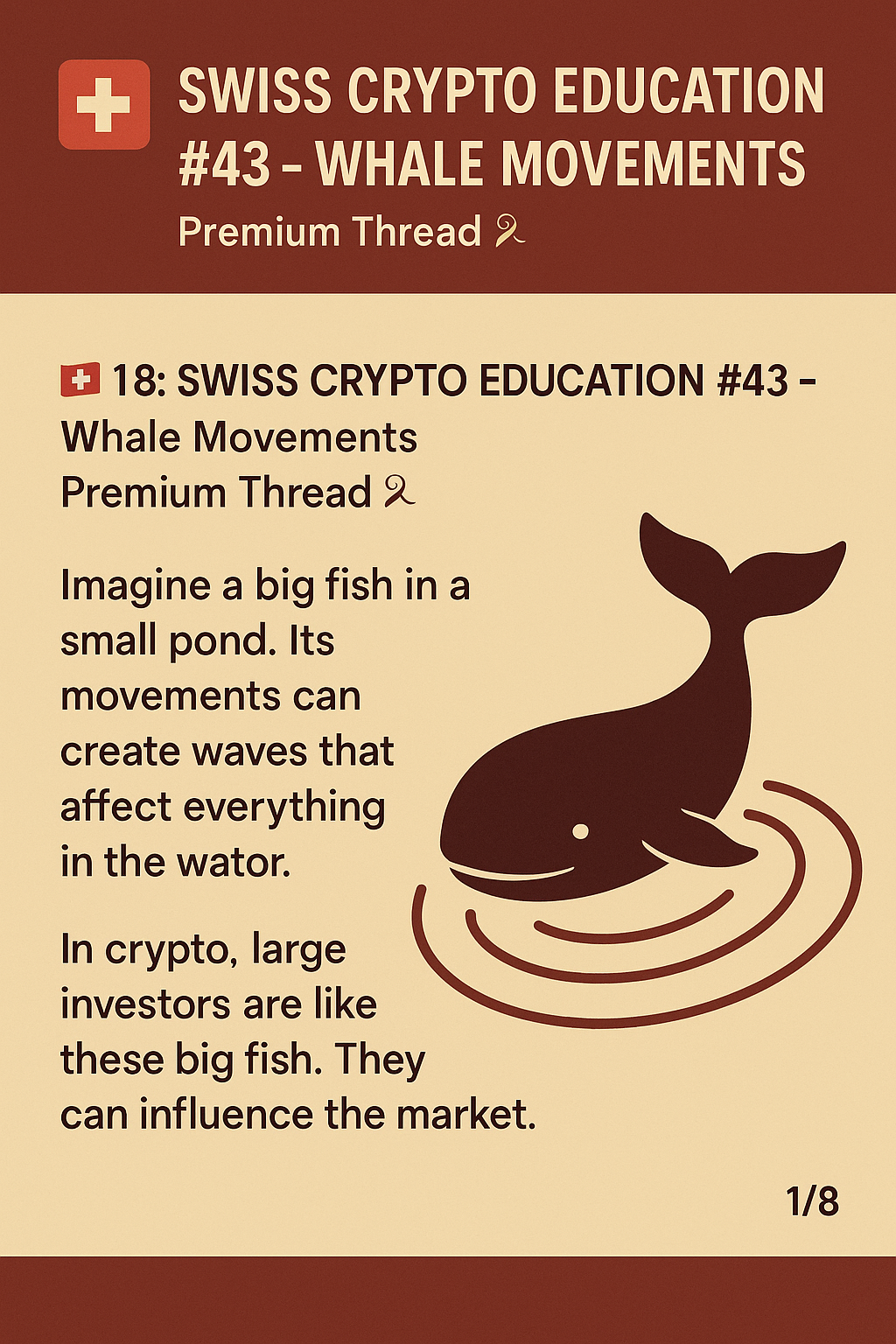
A whale is simply a Bitcoin holder with a large amount of coins—typically someone or an entity holding 1,000 BTC or more. Think of it like a major shareholder in a public company: when they move a significant stake of their holdings, people pay attention because the scale of their actions can ripple through the market. On the blockchain, these movements are permanent, transparent records. Anyone can see when a whale moves coins from one address to another, which is why whale tracking has become a useful tool for analysts, journalists, and treasury managers who want to understand what's happening beneath the surface of Bitcoin's price movements.
Imagine a pension fund holds 5,000 Bitcoin in cold storage (offline wallets designed for security). One day, they move 1,000 coins to a new address. That transaction is visible to everyone on the blockchain within minutes. An analyst monitoring whale movements would notice this shift and might ask: Is the fund rebalancing? Moving coins to an exchange before selling? Transferring to a new secure facility? The transaction itself doesn't reveal intent, but the pattern of where coins flow—to exchanges, between different wallet types, into or out of long-term storage—tells a story about what large holders are doing.
On the Bitcoin blockchain, every transaction is recorded with timestamps and wallet addresses. Whale tracking services parse this data, identifying large transfers and categorizing them by type: coins moving onto exchanges (which often precedes selling), transfers to known institutional wallets, movements into or out of dormant addresses, or consolidations where multiple small addresses combine into one large one. These categories exist independent of price. A whale moving 1,000 BTC to an exchange happens whether Bitcoin is at $30,000 or $80,000—the mechanics remain the same.
How does this work in practice?
Whale movement tracking relies on on-chain data interpretation. When a large transfer occurs, analysts note several details: the sending address (which wallet type), the receiving address, the timestamp, and the destination category. If coins move from a known cold storage wallet to a deposit address at a major exchange, the classification is straightforward. If they move to a new unknown address, the intent is less certain, but the movement itself is documented forever. Tracking services aggregate these observations, categorizing flows by whether they represent accumulation (coins entering long-term storage), distribution (coins leaving storage toward exchange wallets), or internal restructuring (large holders consolidating or splitting holdings).
Different wallet types tell different stories. Coins held in exchange wallets suggest holders are prepared to trade or sell. Coins in hardware wallets or multi-signature security setups suggest long-term holding intent. Dormant addresses—wallets that haven't moved coins in years—sometimes become active again, which can be significant because it means old capital is re-entering circulation. Corporate treasurers monitor whale transfers to understand market structure: Is capital consolidating among fewer holders? Are established institutions accumulating or dispersing? Are coins moving into exchange custody (a potential sign of liquidity preparation) or deeper into secure storage?
Why does it matter?
For journalists and analysts, whale movements are empirical data points about how large capital is behaving. They're not predictions—they don't tell you what price will do next. But they do show observable facts: on a given day, 500 BTC moved from cold storage to an exchange, or a dormant wallet from 2013 sent coins for the first time in a decade. These events are newsworthy because they represent decisions by significant stakeholders. When unusual whale activity occurs—such as a rapid accumulation phase or a large institutional wallet shifting coins—it's worth documenting and understanding.
For treasurers and institutional holders, whale tracking serves as a benchmarking tool. If you're managing Bitcoin for an organization, you might want to understand what other large holders are doing: Are they consolidating? Diversifying? Moving coins to exchanges? This information won't tell you what to do, but it provides context for your own strategy. Journalists covering Bitcoin finance use whale tracking to substantiate stories about institutional behavior, market structure shifts, or unusual activity. The blockchain's transparency means these movements are verifiable and dateable—no speculation required, just observed on-chain facts documented in real time.